
Can you swim with contact lenses? Our Optometrist answers!
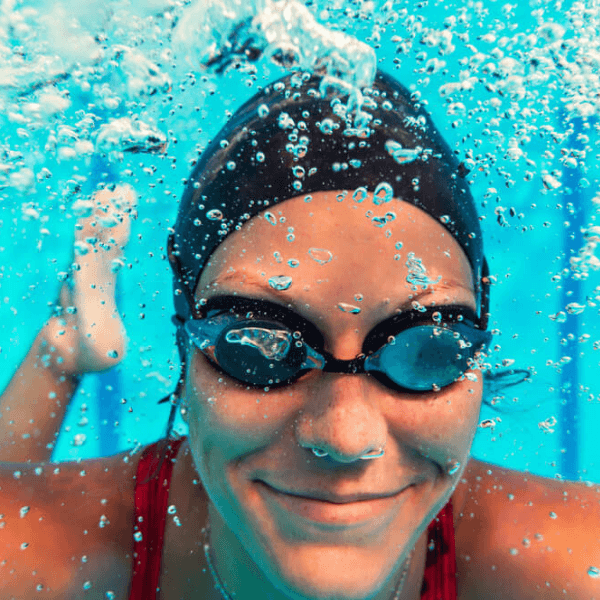
The crisp sensation of diving into a refreshing pool or swimming in the open water is a quintessential summer experience. For individuals who rely on visual correction, navigating these aquatic activities presents a distinct challenge: balancing the desire for clear, uncompromised vision with the practical limitations of corrective eyewear. While it is entirely understandable that achieving sharp underwater vision is a top priority for swimmers, mixing water with contact lenses introduces significant, hidden dangers to your overall eye health.
Whether you are relaxing in a hot tub, swimming in chlorinated swimming pool water, or exploring the underwater world, exposing your lenses to moisture can lead to severe medical conditions. Consequently, when patients ask if they can safely swim while wearing their lenses, our Optometrists must provide a definitive no. This comprehensive guide will break down the biological risks of swimming with contacts, expose common myths, and outline the safest alternative options for visual correction this summer.
Understanding the risks of wearing contact lenses while swimming
Water and contact lenses are a dangerous combination because soft contact lenses are inherently porous. Functioning much like a microscopic sponge, a soft contact lens easily absorbs environmental moisture along with whatever pathogens, pool chemicals, and organic debris are suspended within it. When these waterborne contaminants infiltrate the lens matrix, they become trapped directly against the sensitive corneal surface, disrupting the natural tear film and overwhelming the eye’s defense mechanisms.
This trapped moisture creates an ideal breeding ground for serious eye infections and corneal ulcers. Among the most devastating waterborne microorganisms is Acanthamoeba, a resilient parasite found in Albertan lakes, oceans, and tap water that causes Acanthamoeba keratitis1. This rare but sight-threatening corneal infection aggressively attacks the eye tissue and, in severe cases, can necessitate corneal transplants or result in permanent vision loss2. Furthermore, exposure to waterborne eye infection sources can introduce bacteria like Pseudomonas aeruginosa, leading to rapid-onset bacterial conjunctivitis3.
Beyond microbiological threats, swimming with contacts introduces mechanical risks such as corneal abrasion and lens tightening. When soft lenses absorb freshwater or chlorinated pool water, they change shape, swell, and tighten against the eye. This suction effect alters the fit, causing physical eye irritation and trapping debris underneath the lens. As the tight lens moves across the eye, it can create micro-scratches on the cornea, giving opportunistic bacteria an immediate entry point to cause deep-seated eye issues2.
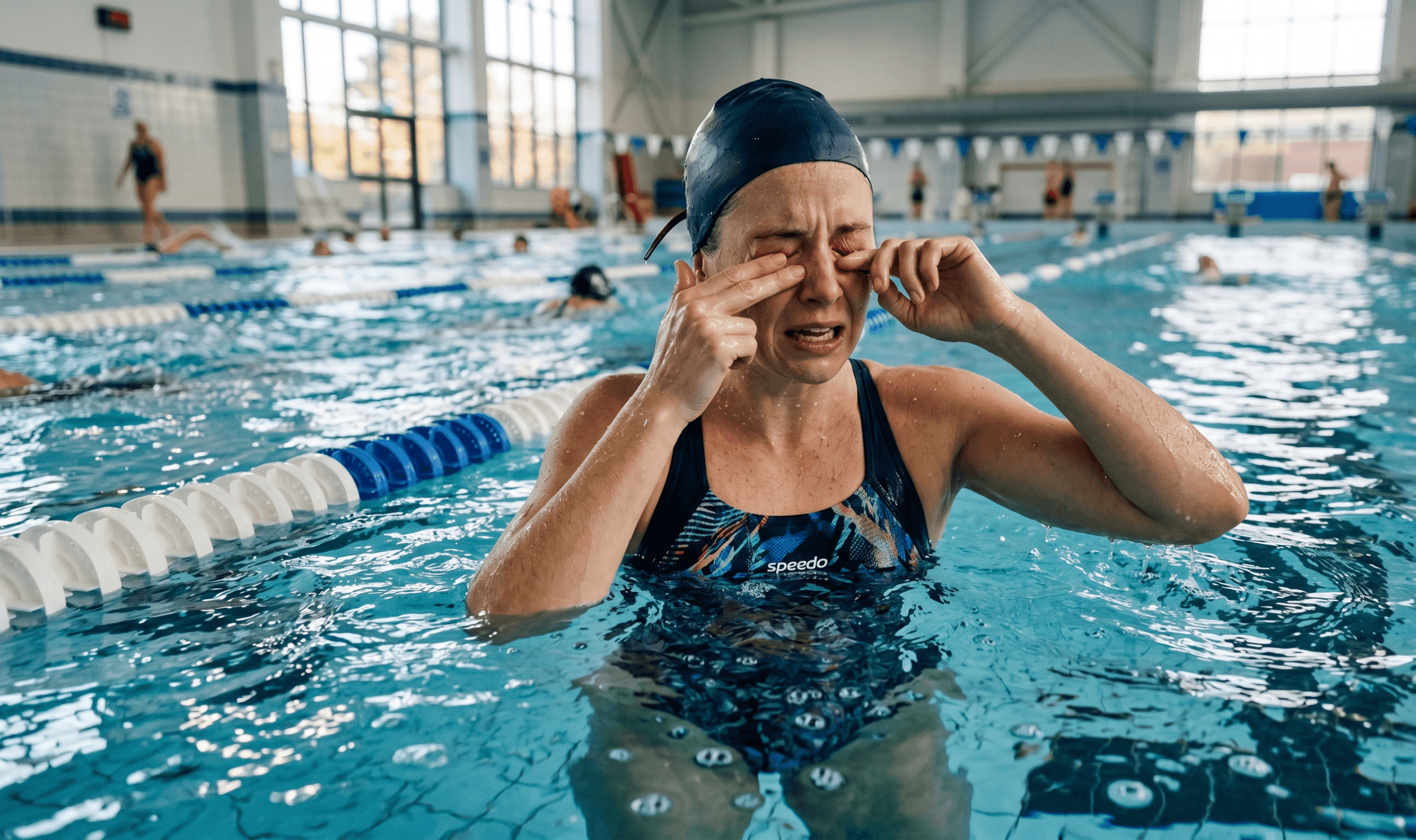
Can you wear contacts in the pool?
No, you cannot safely wear contact lenses in a swimming pool! A common myth among patients is that a chlorinated pool is completely sterile and therefore safe for contact lens wear. In reality, while pool chemicals reduce bacteria levels, chlorine does not instantly eradicate all waterborne contaminants.
Moreover, chlorine and other pool chemicals bind heavily to the porous material of soft lenses. This chemical accumulation causes severe eye irritation, redness, and a burning sensation. Prolonged exposure can damage the delicate epithelial cells of the cornea, exacerbating dry eye symptoms and leading to chronic dry eye syndrome. Even with a meticulous lens care routine involving a high-quality contact lens solution or disinfecting contact solution, the initial chemical binding occurs almost instantly upon contact with water.
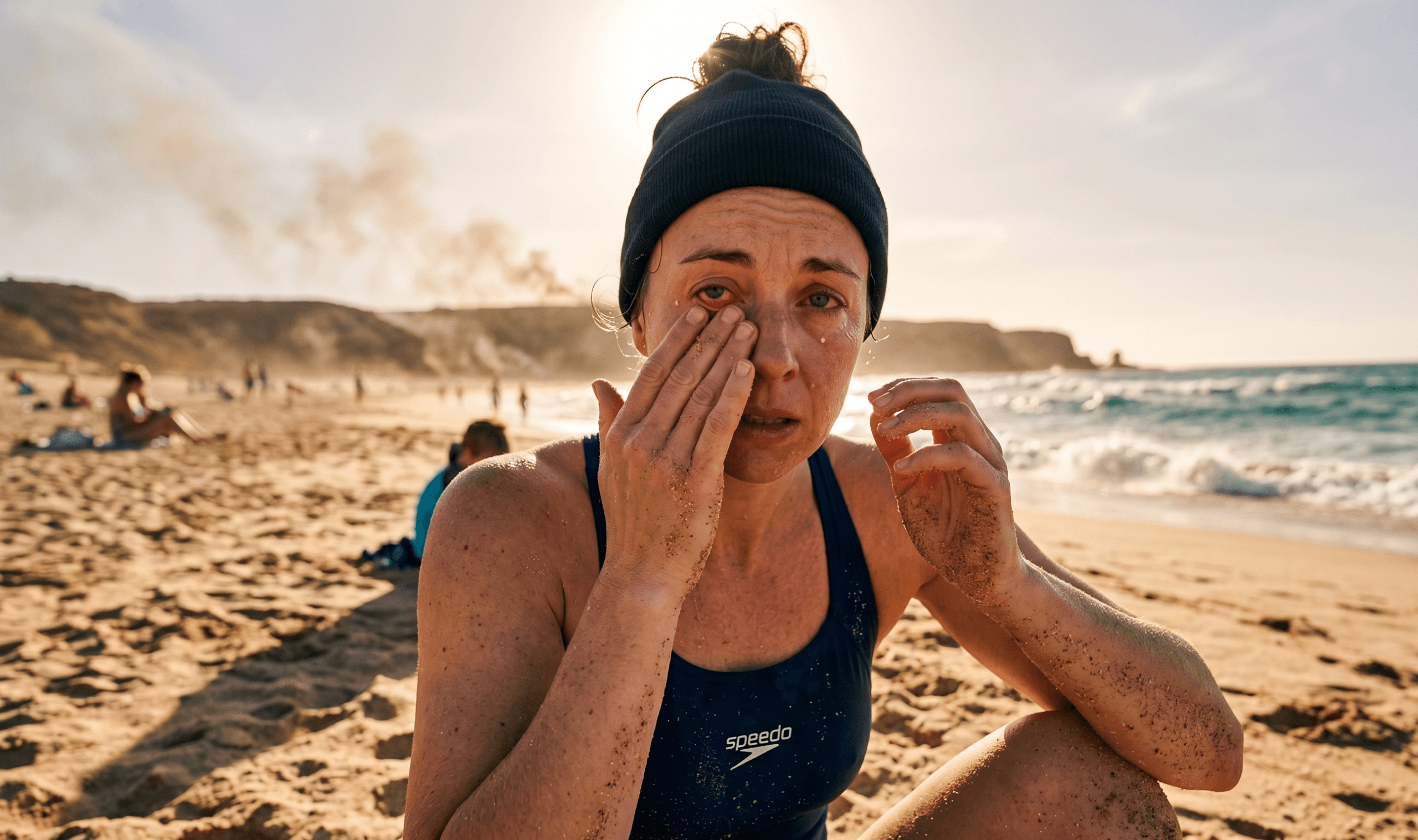
Can you wear contact lenses on the beach?
No, wearing contact lenses on the beach is not safe, even if you avoid submerging your head. Open bodies of water, such as the ocean or local lakes, contain significantly higher concentrations of biological contaminants, agricultural runoff, and salty seawater compared to treated pools.
Furthermore, beach environments present unique physical hazards like sand and wind. Fine sand particles can easily blow into the eye and become lodged beneath a contact lens. Without a barrier, natural blinking allows the sharp grit to repeatedly scratch the cornea, causing painful abrasions and introducing waterborne pathogens directly into the open wound. While daily disposable lenses offer some mitigation against long-term contamination, the immediate risk of physical trauma and infection remains high.
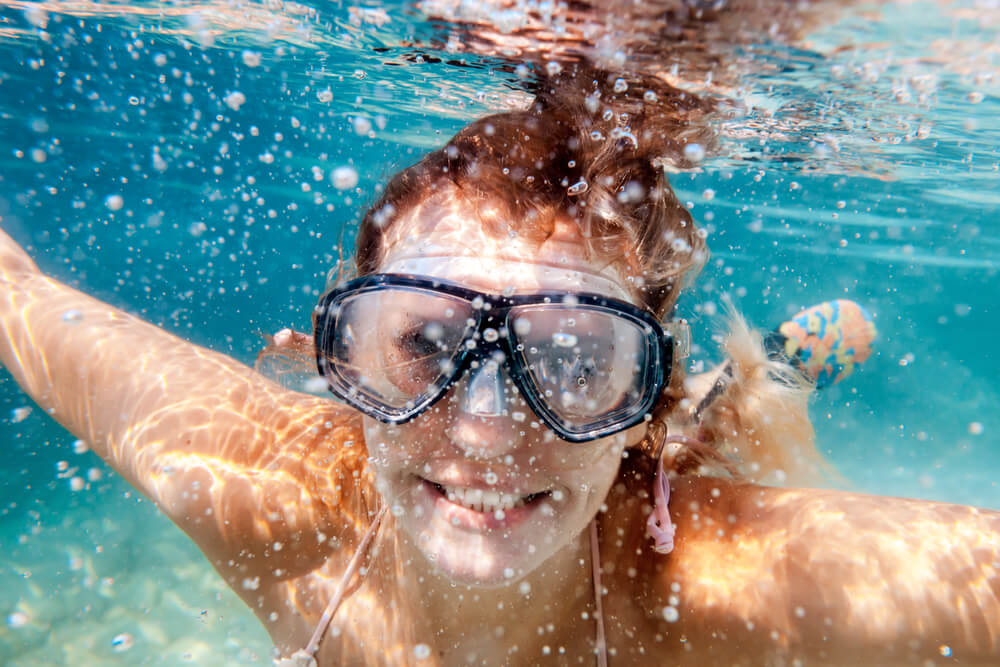
Can you open your eyes underwater with contact lenses?
No, you should never open your eyes underwater while wearing contact lenses. Doing so guarantees immediate, direct water-to-lens contact, which instantly introduces the infection risks associated with waterborne microorganisms.
In addition to infection risks, the hydrodynamic force of moving water will shift, fold, or completely wash the contact lens right out of your eye. This leaves the swimmer with sudden blurred vision, creating a safety hazard in deep water. Losing lenses mid-swim also forces individuals to handle their eyes with wet, unwashed hands, further transferring bacteria into the ocular environment.
The myth exposed: Are there waterproof contact lenses?
No, there is no such thing as waterproof contact lenses available on the consumer market. A contact lens must remain highly breathable and moisture-friendly to maintain eye health, as the cornea lacks blood vessels and relies entirely on atmospheric oxygen and the tear film to function.
Because the material must allow oxygen transmission, it cannot be made impervious to outside liquids or waterproofed. Any product claiming to be waterproof is nonexistent in modern eye care. For those who require reliable visual correction while enjoying water sports or scuba dive excursions, you should look for alternative ophthalmic solutions like vision corrective surgery.
Clear vision underwater: the power of prescription goggles
Prescription swimming goggles are the safest and most effective alternative recommended by our Optometrists for swimming. These specialized devices feature custom-made or step-diopter prescription lenses built directly into a watertight frame, correcting nearsightedness, farsightedness, and astigmatism.
By utilizing prescription goggles or a prescription dive mask, swimmers achieve 99% elimination of waterborne infection risks since no contact lens touches the eye. They prevent chemical irritation from pool water, protect against UV radiation when crafted with a built-in UV filter, and ensure crisp underwater vision. This makes them an invaluable investment for athletes, families, and regular swimmers across Ontario.
The harm-reduction strategy: daily disposables and regular swim goggles
If prescription goggles are not an option, pairing daily disposable lenses with tight-fitting, non-prescription swim goggles is the standard harm-reduction strategy. This method minimizes, but does not entirely eliminate, the risks of water exposure.
The rules for this strategy are absolute:
- The swim goggles must maintain a strict, watertight seal throughout the swim.
- The disposable contacts must be inserted immediately before swimming and thrown directly into the garbage the exact moment you exit the water.
- Flush the eyes with sterile saline solution or lubricating eye drops afterwards to restore the tear film.
- Never reuse these lenses or attempt to clean them with regular contact solution or disinfecting systems.
If utilizing this harm-reduction method, our Optometrists recommend specific daily disposable lenses tailored for moisture retention and comfort:

- Premium Option: ACUVUE OASYS MAX 1-Day lenses, which feature TearStable Technology to maintain comfort and an OptiBlue Light Filter for outdoor visual clarity.
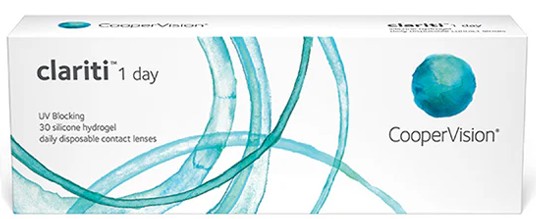
- Mid-Tier Option: Clariti 1-Day lenses, a highly breathable silicone hydrogel option that supports corneal oxygenation.
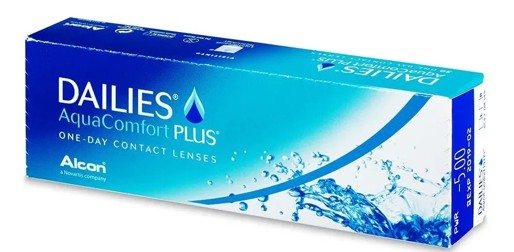
- Entry/Value Option: Dailies AquaComfort Plus lenses, designed to release refreshing moisture with every blink.
Always consult a health professional at Kodak Lens Vision Centres for proper directions for use and to ensure a correct fit before incorporating these lenses into your summer activities.
Protect your summer vision with Kodak Lens Vision Centres
Protecting your eyes from waterborne contaminants is essential for preserving your long-term vision health. Avoiding the habit of swimming with contact lenses is the most effective way to prevent serious eye conditions, corneal ulcers, and permanent vision loss. Whether you are preparing for a beach trip or enjoying a local pool, prioritizing the correct protective eyewear is paramount.
If you have questions about prescription swimming goggles, daily disposable lenses, or general eye care services, our team is here to help. Contact a health professional today to schedule your next eye exam or consultation at a convenient Kodak Lens Vision Centres location in Toronto and the Greater Toronto Area.
References
1) 2019, Notes from the Field: Acanthamoeba Keratitis Cases — Iowa, 2002–2017, Centers for Disease Control and Prevention: https://www.cdc.gov/mmwr/volumes/68/wr/mm6819a6.htm
2) 2016, Contact lens associated microbial keratitis: practical considerations for the optometrist, NIH: https://pmc.ncbi.nlm.nih.gov/articles/PMC6095396/
3) 2024, Understanding and Managing Contact Lens-Related Bacterial Keratitis, Scope Connect: https://scope-connect.com/article/understanding-and-managing-contact-lens-related-bacterial-keratitis/