
What is Photobiomodulation?
Imagine it’s very cold outisde (–14+ °C) and you get into your car, but it doesn’t start. The battery isn’t dead, but we know cold slows reactions and efficiency drops. Suddenly, the energy needed to start the car is not there and a solution is to get a boost. The takeway is that a battery may need an energy boost to temporarily restore energy flow. Think of the human retina and dry eye in the same way, to care for its health, we should frequently give them a boost.
What is photobiomodulation?
Photobiomodulation is a process using photons to adjust or control biological tissue. In this article, we will be focussing on how photomodulation can impact the mitochondria to control how they work or how much energy it can produce. Studies have shown using red light therapy to modulate mitochondria by giving them a boost that will help produce energy more efficiently. This is helpful in promoting healing, reducing inflammation or improving the health of the cells.
Biologically, Eyes are Very Unique
Our eyes are a combination of neural tissue, optics, metabolism, and circadian sensing.
Neural tissue in our eyes connect to our central nervous system that is layered with neural circuitry for visual processing.
Optics in eyes convert and processes incoming light waves into signals that determine your vision.
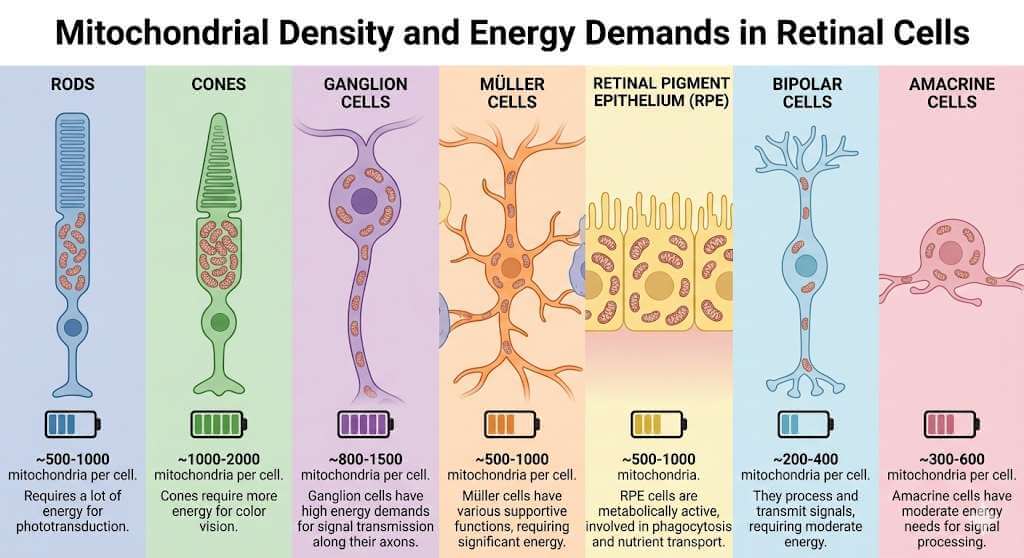
Metabolism is required as vision needs extremely high energy demands with dense mitochondrial concentration.
Circadian sensing system involves light-sensitive cells in the eyes to adapt to environmental changes, which determines our biological rhythms and systemic hormonal cycles.
There are no other organs that combine all four, which explains vulnerability to chronic disease.
Eyes Require a lot of Energy
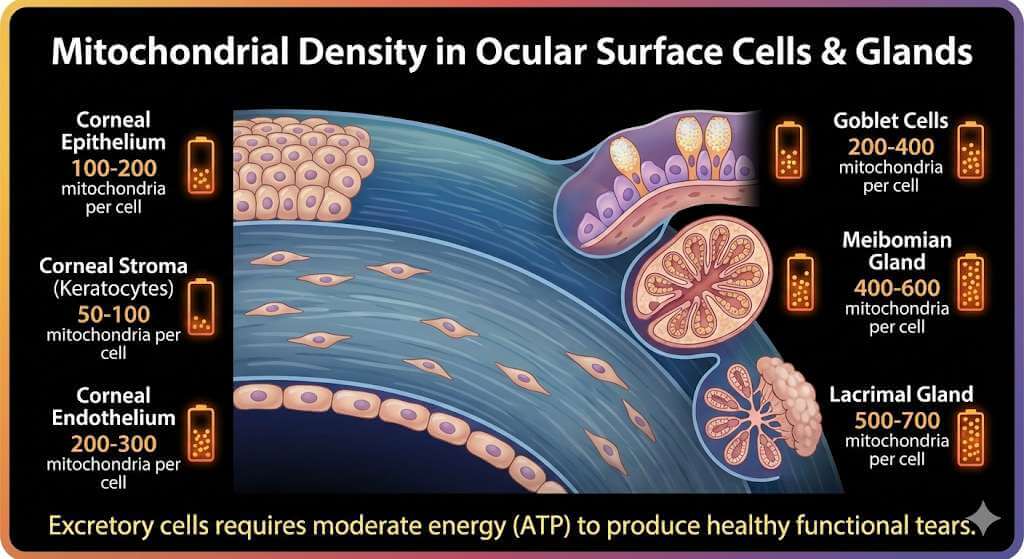
As you can see from the image below, our eyes require a lot of enegy for phototransduction, colour vision, signal transmissions, phagocytosis, nutrient transport, processing signals and much more.
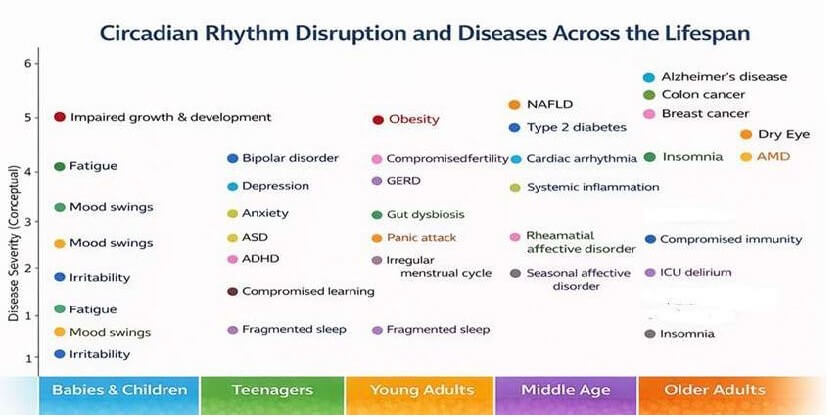
Since the eyes are a circadian sensor, our photosensitive retinal ganglion cells (ipRGCs) regulate melatonin. The timing of light entering into our eyes affects health. Any circadian disruption accelerates degeneration of cells and will impact our overall body. Circadian rhythm disruption can lead to diseases across the lifespan.
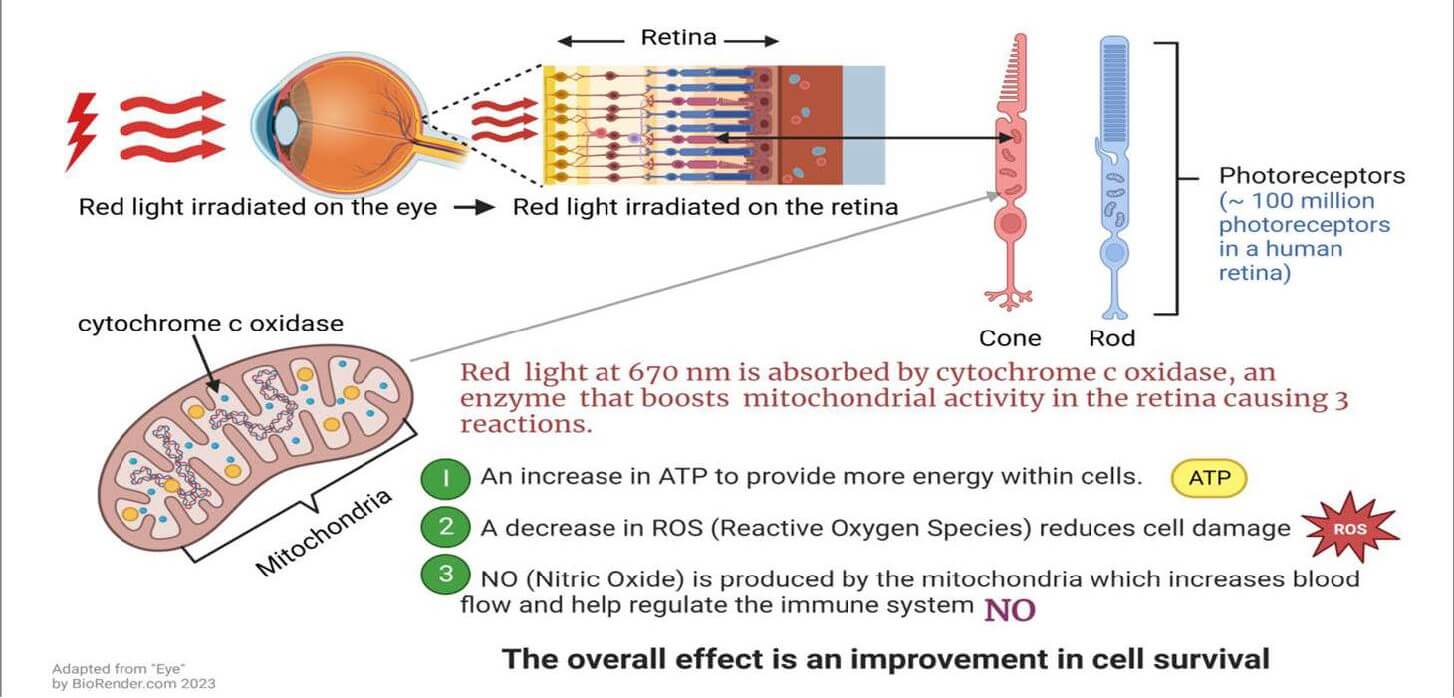
How photobiomodulation works in the eye
When red light at 670 nm is absorbed on the eye and into the retina by cytochrome c oxidase, an enzyme that boosts mitochondrial activity in the retina, it causes 3 reactions. The first reaction is an increase in ATP to provide more energy within cells, second reaction is a decrease in ROS (reactive oxygen species) that reduces cell damage, and third reaction is that NO (nitric oxide) is produced by the mitochondria, which increases blood flow and help regulate the immune system. The overall effect is an improvement in cell survival.
Benefits when Cellular Mechanisms activated at 670 nm
- Cell Viability Improvement: 670 nm LED irradiation enhances cell viability in choroid-retinal cells
- Mitochondrial Function Augmentation: Red light promotes mitochondrial function and stimulates antioxidant pathways, protecting photoreceptors in retinal dystrophy and potentially aiding in diseases like retinitis pigmentosa
- Cellular Differentiation and Proliferation: It aids in cellular differentiation and rapid reproduction of a cell offering protection against retinopathy or prematurity (ROP)
- Reduction in Retinal Inflammation: The light improves mitochondrial metabolism, reducing retinal inflammation, which could be useful in managing inflammatory retinal diseases
- Energy Metabolism Increase in Neurons: It activates the up-regulation of cytochrome c oxidase, leading to increased energy metabolism in neurons, which could help in neurodegenerative diseases
- Oxidative Stress Reduction in Diabetic Retinopathy: This wavelength helps diabetic retinopathy by reducing oxidative stress and cell death, offering a potential therapeutic approach for diabetic retinopathy management
- Müller Cell-Mediated Retinal Inflammation Reduction: 670 nm light reduces Müller cell-mediated retinal
inflammation, which could be beneficial in treating retinal degenerations associated with inflammation - Photoreceptor Neuroprotection: The light therapy increases the spare respiratory capacity of mitochondria in
photoreceptor-like cells, which can prevent photoreceptor cell death in conditions like age-related macular
degeneration - Improved Retinal Function in Aging: 670 nm light can significantly improve aged retinal function, potentially
providing benefits in age-related visual impairments - Modulation of Immune System: 670 nm nm light reduces disease severity by modulating the immune response, indicating its potential for autoimmune and inflammatory diseases
- Oxidative Stress Reduction: The light therapy reduces oxidative stress, enhancing photoreceptor neuroprotection, and thus could be beneficial in conditions where oxidative stress is a key factor in retinal damage
- Inhibition of Diabetic Retinopathy Progression: The light inhibits the functional and histopathologic features of early diabetic retinopathy, likely mediated via multiple mechanisms, offering a potential therapeutic approach for diabetic retinopathy management
- Optic Nerve Protection: Near-Infrared Light-Emitting Diodes (NIR-LED) photobiomodulation accelerates wound healing and attenuates degeneration in the injured optic nerve, suggesting its potential use in optic nerve injuries or degenerative diseases
- Improvement in Scotopic Thresholds: 670 nm light therapy improves scotopic thresholds in normal aging eyes, indicating its potential in enhancing low-light vision
Other Photobiomodulation (PMB) Benefits:
Clinical studies by Dr. Graham Mary researches that photobiomodulation can induce drusen regression with improvements in visual acuity and contrast sensitivity in subjects with dry age-related macular degeneration (AMD).
Home vs. Clinic PBM Solutions
In clinic at Kodak Lens Broadview Eyecare, we offer EYELIGHT.
EyeLight uses Light Modulation® / LLLT (Low Level Light Therapy) to treat certain types of skin cancer, vitiligo, regeneration of gum tissue, etc. To be effective, the emission of light requires a specific wavelength and a proper distance in order to obtain a deep impact on the treated tissue. Cells absorb light photons and transform their energy into bio-chemical energy producing metabolic processes required to repair and regenerate cells. The beneficial effects of LLLT in medicine are widely recognized by Physicians and Surgeons.
LIGHT MODULATION® is a Patented photobiomodulation (PBM) technology, a strong metabolic enhancer that stimulates the production of ATP (Adenosine Triphosphate) to increase cellular action and emphasize cells activities. The LED emitting matrix trigger eyelids endogenous heat, directly stimulating the normalization of glands and supporting the thermal impact of the OPE® technology action. EYELIGHT is used for advanced dry eye and eye care cases.
Home PMB Solutions:
At Kodak Lens Vision Centres, we also offer a home solution called Arunalight. A device where you can use any time at home for 3 minutes to get your daily red light therapy. Arunalight – A revolutionary new redlight technology is an innovative LED-based system built right into a lightweight pair of glasses and provides users with some benefits of professional treatments at the comfort of your own home, office, gym or wherever you are. Arunalight comes with features designed to improve blood flow and circulation to the eyes (anterior and posterior). Comes with a convenient travel case and charger.
- Arunalight: 670 nm red light
- Health Canada approved
- No NIR used
- 45 mW/cm² irradiance (safe for home use)
- 8.2 J fluence
- Closed-lid home use
- Strong ocular safety record
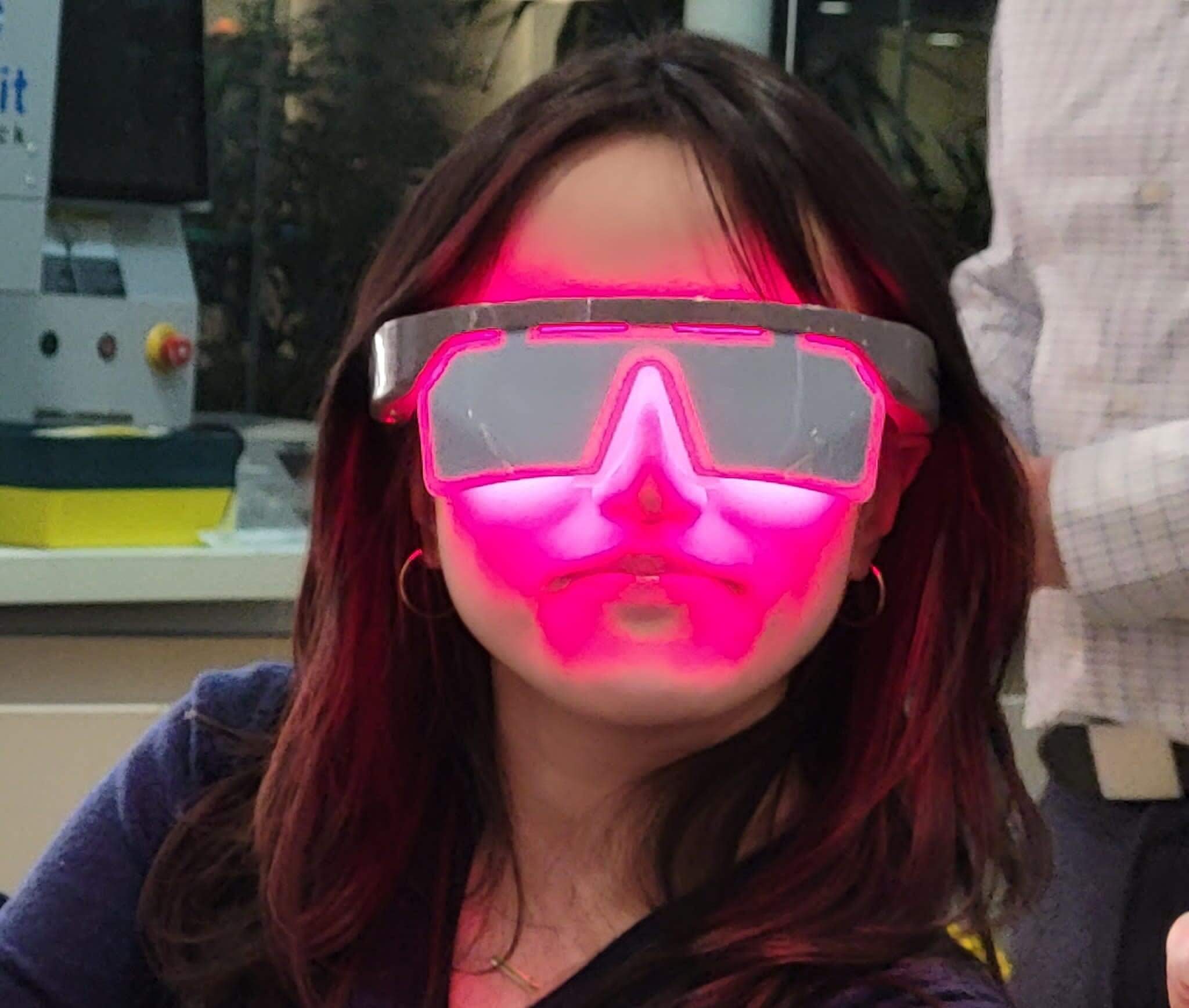
Arunalight PMB used for Dry Eyes
Based on the dry eye severity, you may have heard of treatments from your optometrist such as prescription or over the counter eye drops, supplements, eye masks, hydration, nutrition etc. When these simple treatments are not as effective, consider more advanced long term solutions such as PMB. Dry eye can be caused from energy failure in our cells. Our secretory tissues in our eyes need ATP (Adenosine Triphosphate), the primary energy currency of all living cells.
Any abnormality or impairment in the function of our eyes precedes inflammation, which means we need to focus on the core issue for proper treatment. Inflammation can be treated with medication or eye drops, but only helps reduce symptoms and doesn’t address the bigger concern. Different parts of our eyes need enough energy to properly function.
Arunalight PBM improves Tear Film & Gland Function
There has been quantitative improvements in macular degeneration (MGD) patients.
- Tear Volume: Significant increase in Tear Meniscus Height (TMH) post-treatment, suggesting improved lacrimal and goblet cell synergy.
- Lipid Layer Thickness (LLT): Restoration of meibum (lipid-rich, oily substance secreted by the Meibomian glands in the eyelids) quality; reduces the “evaporation rate” of the aqueous layer.
- Improved Gland Expressibility: Softens stagnant meibum at the cellular level
Arunalight PMB Outcomes & Improved Quality of Life
Using this treatment helps reduce the symptomatic burden and leads to positive outcomes that improves quality of life.
- Lowers Risk of Ocular Surface Disease: OSDI Mean reduction of 15–20 points in Ocular Surface Disease Index (OSDI) scores after 3 sessions.
- Improved Comfort: Patients often report “cooling” sensations and reduced “grittiness” within 24–48 hours of the first application, which improved their eye comfort through daily activities.
- Long-term Tear Quality: Patients indicated sustained improvement and stability in Lipid Layer Thickness when observed at the 3-month follow-up with their eye care professional.
- Sustained Mitochondrial Health: Regular PBM therapy can maintain mitochondrial function and reduce oxidative damage over the long term, potentially preventing the progression of retinal degenerative diseases
- Reduced Inflammation and Cell Death: On going PBM treatments can continually suppress inflammatory responses and reduce apoptosis in retinal cells, preserving visual function
- Improved Visual Acuity and Retinal Structure: Long-term PBM may lead to sustained improvements in visual acuity and retinal structure, especially in conditions like diabetic retinopathy and AMD, by enhancing cell survival and function
Clinical Evidence for PBM Treatment of the Eye
Dry Eye Syndrome
- Increased tear production
- Improved meibomian gland function
Age-related Macular Degeneration (AMD)
- Improved visual acuity and contrast sensitivity
- Reduced drusen volume
Diabetic Retinopathy
- Reduced macular edema
- Improved visual acuity
Retinitis Pigmentosa
- Slowed progression of visual field loss
- Improved electroretinogram responses
Glaucoma
- Improved retinal nerve fiber layer thickness
- Reduced intraocular pressure
Ocular Inflammation
- Reduced inflammation in uveitis and other inflammatory conditions
Corneal Healing
- Accelerated corneal wound healing
Circadian Rhythm Regulation
- Potential to regulate circadian rhythms through non-visual photoreceptors
Neuroprotection
- Reduced oxidative stress
Optic Nerve Disorders
- Improved visual function in traumatic optic neuropathy
- Potential benefits in Leber’s hereditary optic neuropathy
Myopia Control
- Potential to slow myopia progression in recent studies and human case presentations
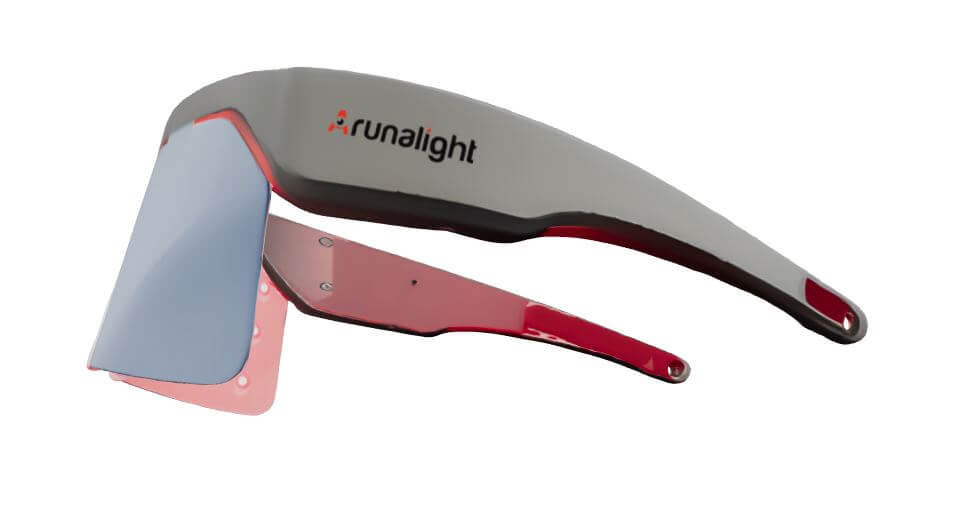
Arunalight is purpose-built for the ocular region with strictly red light at 670 nm and a conservative, low dose:
Arunalight at KODAK Lens Vision Centres
- Optometrist Recommended
- Irradiance: 45 mW/cm²
- Time: 3 minutes (auto shut-off)
- Dose per session: 8.1 J/cm² (45 mW/cm² × 180 s)
- Cadence: every other day
- Best price guarantee. Price matching available
- Free shipping available
Order Today and Stay On Top of Your Eye Health
Have questions? Book a comprehensive eye health check-up to learn more about PMB and if it is right for your eyes. Don’t ignore your eye health and the symptoms you’re experiencing as it could be a hint to visit your eye doctor. Let’s be proactive and improve our quality of life. Book an eye exam with one of our optometrists today.
Sources:
- Photobiomodulation Arunalight lecture: Arunalight (Feb 26 2026).
- Arunalight website: Eye floaters – Symptoms and causes (2024). https://arunalight.com/pages/scientific-studies