
Can cataracts come back after surgery? Our Optometrist Answers!
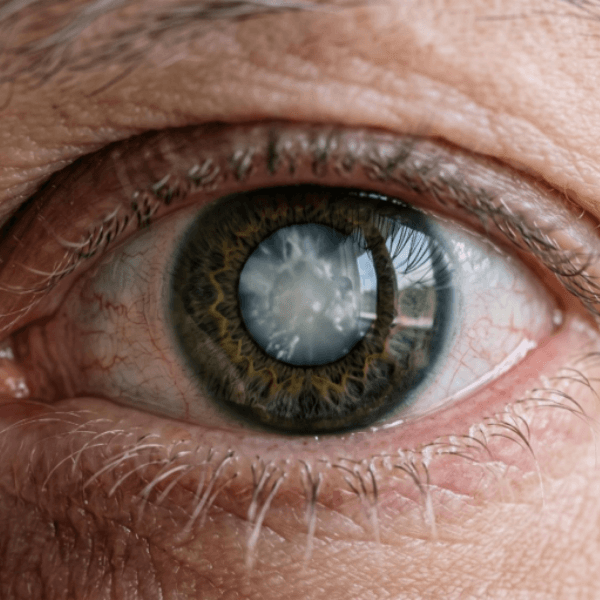
Undergoing cataract surgery is a life-changing procedure that restores visual clarity for thousands of patients across Ontario each year. However, it is not uncommon for patients to notice a gradual return of hazy or blurred vision months or even years after an initial successful procedure, leading to anxiety that their original cataract has somehow returned. While it is physically impossible for a cataract to re-form on a synthetic artificial intraocular lens, a distinct and highly treatable condition known as Posterior Capsule Opacification (often colloquially termed a secondary cataract) can develop behind the implanted lens.
Understanding why this visual change occurs, how simple the secondary laser treatment is, and where to seek expert post-operative care can provide complete peace of mind. At Kodak Lens Vision Centres, our Optometrists offer comprehensive post-operative care, advanced diagnostic testing, and long-term eye health management across Toronto and the Greater Toronto Area.
Let’s dive into this topic to cover all our basis, ensure you understand the post-op process, and feel more comfortable with what you might be feeling.
What happens to your eyes during cataract surgery?
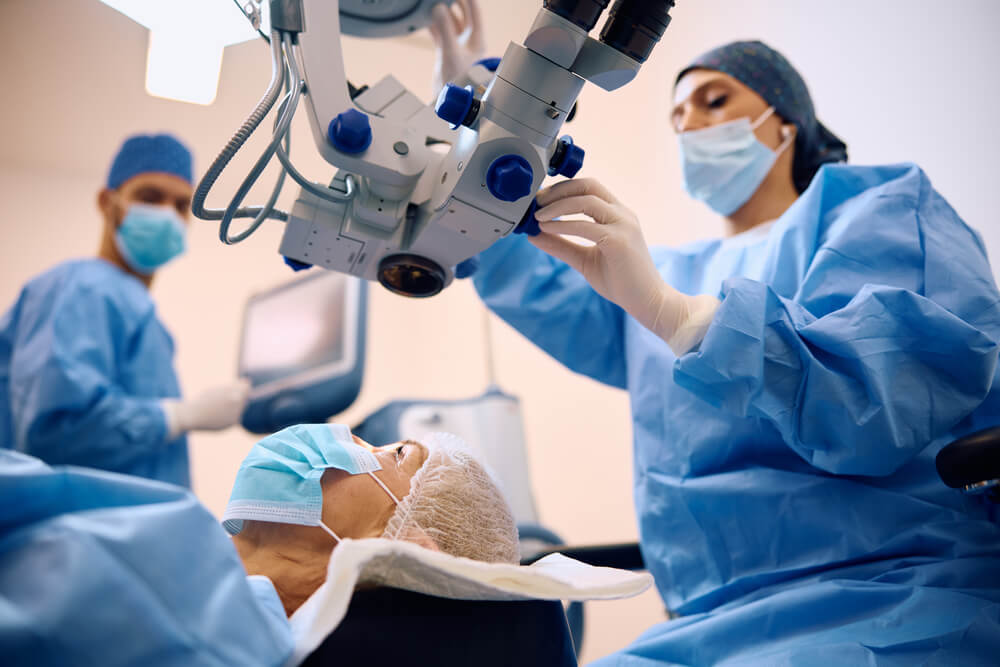
During primary cataract surgery, an Ophthalmologist removes the natural lens of the eye that has become cloudy over time. The natural lens sits inside a thin, transparent membrane known as the capsular bag.
During the surgical procedure, ultrasound technology or laser-assisted surgery is used to break up the cloudy crystalline lens through a small incision. The front portion of the capsular bag is opened, but the posterior capsule is left intact. This natural structure provides crucial support for the newly implanted artificial lens, such as single vision or multifocal lenses. Because synthetic materials cannot cloud over like human tissue, a true cataract is gone permanently.
What is a secondary cataract (posterior capsule opacification)?
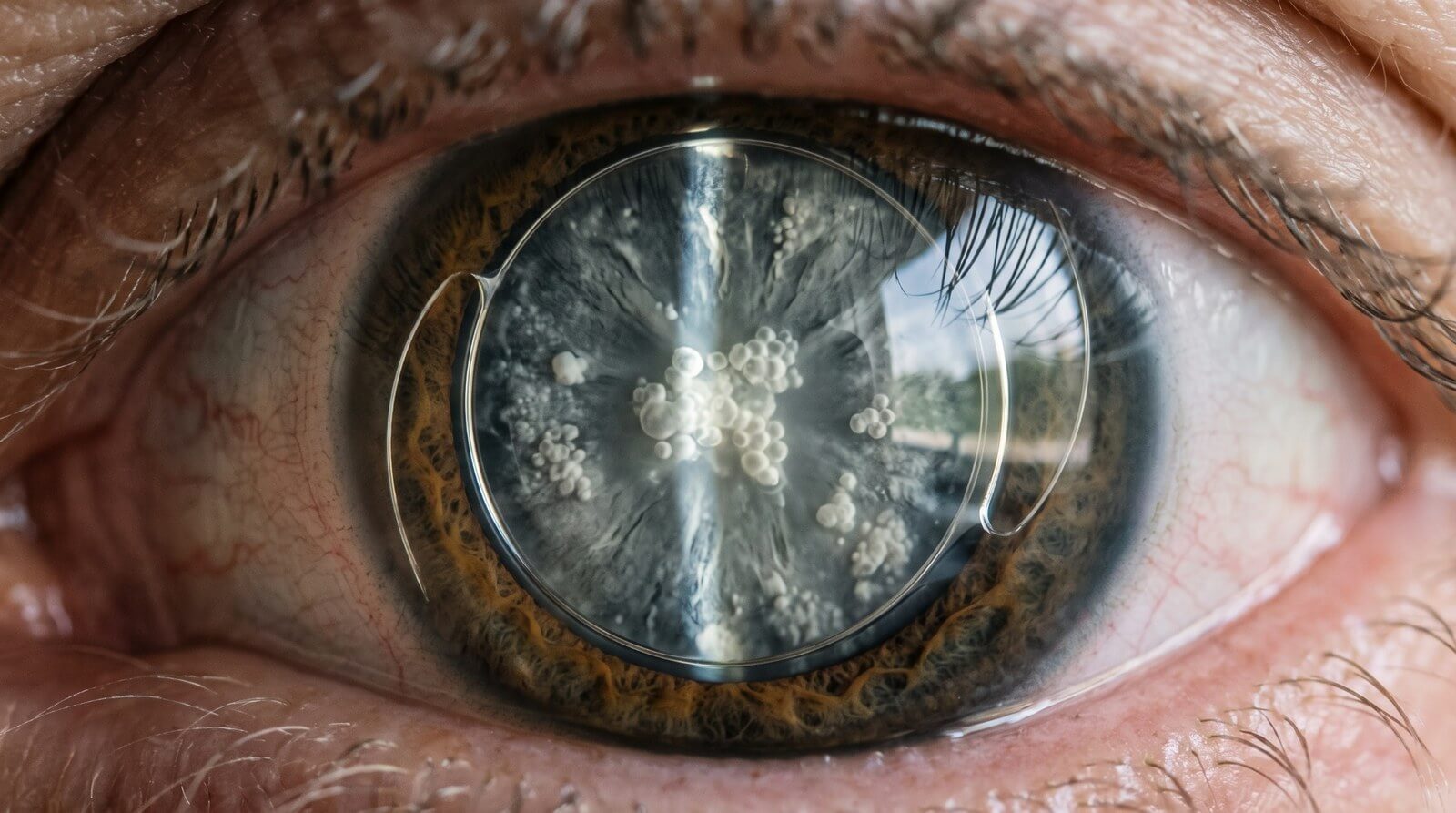
A secondary cataract, medically known as Posterior Capsule Opacification, is a common post-surgical occurrence where leftover lens epithelial cells migrate and multiply across the posterior capsular membrane. Over time, these cells create scarlike tissue that disrupts light passing through the artificial intraocular lens to the retina.
Posterior Capsule Opacification affects roughly 20 to 50% of cataract patients within one to five years following their initial surgery.¹ Patients experiencing tissue thickening inside the capsular bag often report symptoms that mirror their original cataract, such as:
- Reduced visual acuity and hazy vision
- Increased glare from headlights during night driving
- Halos around light sources
- Faded perception of bright colours
However, cataracts cannot come back once they have been removed.
How safe is cataract surgery and secondary treatment?
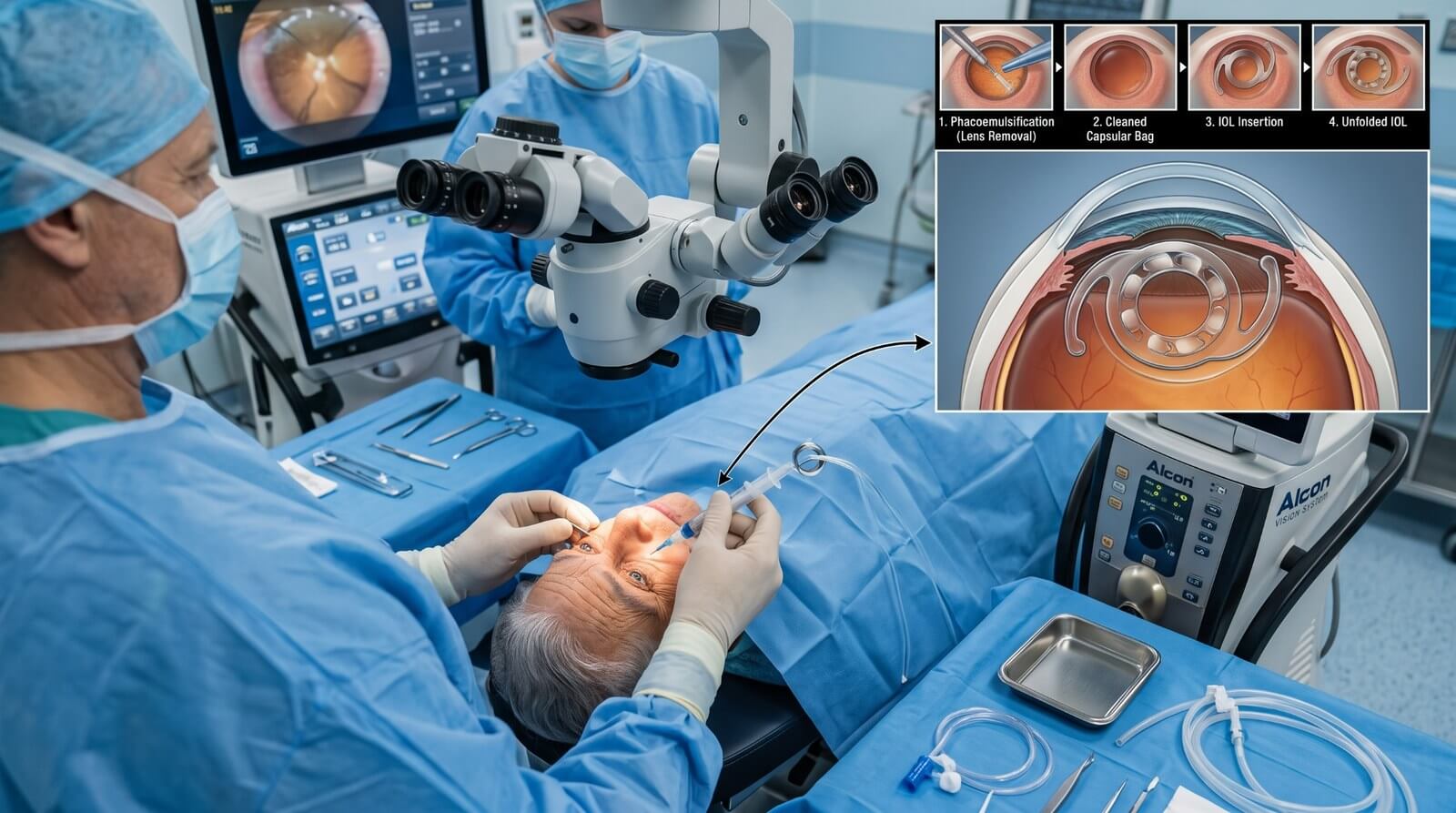
Cataract surgery and its secondary treatments are among the safest medical procedures performed in Canada, boasting a success rate exceeding 98%.²
The standard solution for Posterior Capsule Opacification is an outpatient procedure called a YAG laser capsulotomy. During this laser procedure, an eye care professional uses a neodymium:YAG laser to create a small opening in the cloudy posterior capsule, creating a clear pathway for light to reach the macula and retina.
A YAG posterior capsulotomy takes only five to ten minutes, requires no incisions or sutures, and is completely painless. Patient-centered approach protocols often include temporary anti-inflammatory or steroid drops to control post-laser corneal swelling. While rare, potential risks include a transient spike in intraocular pressure, mild floaters, macula swelling, or retinal detachment.
Red flags: When to visit your Ontario Optometrist
You should schedule an eye exam with your Optometrist if you notice a gradual return of hazy vision, sudden visual changes, or discomfort following cataract surgery. Early evaluation ensures that conditions like Posterior Capsule Opacification or retinal complications are diagnosed and managed promptly.
Keep an eye out for:
- Gradual return of blurred vision or double vision
- Sudden appearance of new floaters or light flashes
- A curtain-like shadow descending over your field of view
- Eye pain, redness, or sensations of ocular pressure
Continuous annual regular eye examinations are essential even after successful visual restoration. Routine visits allow your Optometrist to monitor your synthetic lens, track intraocular pressure, and screen for underlying conditions such as dry eye syndrome, retinitis pigmentosa, or macular changes.
How Kodak Lens Vision Centres supports your post-cataract journey
At Kodak Lens Vision Centres, our Doctors of Optometry deliver integrated co-management services alongside leading Ontario Ophthalmologists. Our Optometrists conduct initial pre-operative evaluations, monitor post-surgical healing, and handle direct referrals if a YAG capsulotomy becomes necessary.
Our clinics utilize advanced eye health technology to assess your post-operative ocular health. Anterior Segment Optical Coherence Tomography (AS-OCT) allows our Optometrists to directly image, detect, and quantify Posterior Capsule Opacification in the front portion of the eye.
Standard retinal OCT and digital retinal imaging are designed to map the retina at the back of the eye rather than the lens capsule. While standard OCT does not diagnose cataracts directly, cloudy capsule tissue lowers scan signal strength. This signal change serves as an indicator for your Optometrist to perform a slit lamp exam while ruling out coexisting eye conditions, such as age-related macular degeneration or diabetic retinopathy. For daily visual sharpness, our team fits patients with customized corrective options, including KODAK TotalCleAR lenses with blue light blocking to reduce digital glare, reflection and high energy blue light.
Book your post-cataract consultation at Kodak Lens Vision Centres!
Our team of experienced Optometrists at Kodak Lens Vision Centres is committed to providing personalized, comprehensive eye care across Toronto and the Greater Toronto Area. Whether you require a routine post-operative checkup, advanced diagnostic imaging, or guidance on residual visual needs, our patient-focused clinics offer accessible appointments and modern diagnostic tools to protect your sight. Schedule your comprehensive eye exam or post-op assessment online today with Kodak Lens Vision Centres.
Frequently asked questions
Navigating vision changes after cataract surgery often prompts practical questions regarding long-term outcomes and provincial coverage. Let’s answer the most common ones!
Can a secondary cataract come back after YAG laser treatment?
No, a secondary cataract cannot return after a YAG laser capsulotomy is completed. The laser creates a permanent opening in the posterior capsule, meaning the scarlike tissue cannot grow back over your central line of sight.
Does OHIP cover cataract surgery and YAG laser treatment in Ontario?
Yes, OHIP covers medically necessary cataract surgery using standard single vision artificial lenses, as well as the YAG laser capsulotomy procedure. Patients who choose specialized options, such as light-adjustable lenses or refractive lens exchange upgrades, may incur out-of-pocket costs or rely on private insurance.
Will I need to wear glasses after YAG laser treatment?
Whether you need glasses after a YAG laser capsulotomy depends on your underlying refractive error and the type of intraocular lens implanted during your primary surgery. The laser procedure restores the visual clarity you enjoyed shortly after cataract surgery, but it does not alter your eye’s focus or correct residual refractive error.
Have any other questions? Contact us today!
1) National Eye Institute. [2023], Posterior Capsule Opacification, NEI Clinical Information: https://www.nei.nih.gov/learn-about-eye-health/eye-conditions-and-diseases/cataracts
2) American Academy of Ophthalmology. [2024], Cataract Surgery Safety and Outcomes, AAO EyeSmart: https://www.aao.org/eye-health/diseases/what-is-cataract-surgery