
“New Glasses Headache” Explained:
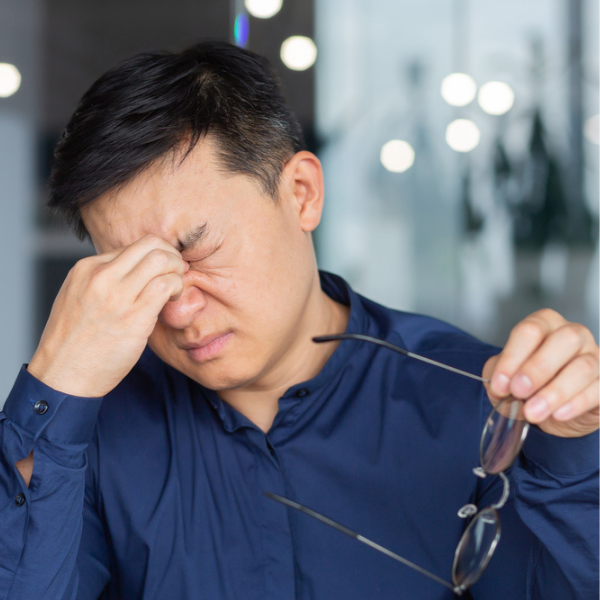
Getting a new pair of prescription glasses should be an exciting moment, a step toward sharper, clearer and comfortable vision. However, for some, this experience is accompanied by unwelcome side effects: a persistent headache, strained eyes or unclear vision as expected. If you’ve ever found yourself wondering if this discomfort is normal, you’re not alone. This phenomenon, often called a “new glasses headache,” is a common part of the adjustment period.
At Kodak Lens Vision Centres, we believe that clear vision should be comfortable. In this guide, our optometrists explain why you might experience headaches with new eyeglasses, what other symptoms to expect, and how to navigate the adjustment period smoothly.
What is a new glasses headache?
A “new glasses headache” describes symptoms such as discomfort or eye strain that can occur in the first few days of wearing a new pair of prescription lenses. This happens because your brain and eye muscles are working to adjust to a new, corrected way of processing visual input. Your visual system has become accustomed to your old prescription (or no prescription at all), and this sudden change requires a period of recalibration. Binocular vision dysfunction (BVD) can also relate to new glasses symptoms. BVD can be caused by genetics, head injuries like concussions, or other neurological issues.
Why do my new glasses give me a headache?
Several factors can contribute to headaches when you get new glasses. The most common reasons involve the brain’s adjustment to changes in your vision correction.
- A New Prescription: Even a small change in your prescription requires your eyes and brain to adjust. If you have a significant update to your lens powers, especially with a first-time astigmatism correction, your brain and eye muscles must work to adjust, which may lead to slight nausea, headaches, emotional distress or even fatigue.
- A New Lens Type: Switching to a different lens design is a major contributor. For example, moving from single vision to multifocal lenses or progressive lenses for the first time requires your brain to learn how to look through different parts of the lens for near, intermediate, and distance vision. This can temporarily affect your depth perception and spatial awareness.
- The Fit of the Frames: An improper frame fit can be a direct cause of discomfort. If the glasses frames are too tight, they can create pressure points on your nose or behind your ears. Furthermore, incorrect optical measurements such as pupillary distance (the measurement between your pupils) can mean the optical centres of the lenses are misaligned, forcing your eyes to strain unnecessarily. It’s important to get proper measurements done by an Optician or Optometrist.
- Incorrect Prescription: While less common when you purchase from a reputable optometry clinic, an incorrect prescription can cause persistent headaches and blurry vision. A riskier solution are online glasses, where lens measurements and prescriptions are not professionally verified. Purchasing from a local optician or optometrist, guarantees professional services where troubleshooting is done to address all concerns to ensure you’re satisfied with your eyeglasses or contact lens purchase.
Adjusting to New Glasses: Common Symptoms
Besides headaches, you may experience a few other symptoms as you get used to your new eyeglasses:
- Dizziness or Nausea: Your brain is adjusting to a new perception of the world, which can sometimes create a feeling of motion sickness.
- Eye Strain: Your eye muscles are working differently, which can make them feel tired or sore.
- Visual Distortion: Objects may appear warped, bent, or as if you’re looking through a “fishbowl.” This is especially common with stronger prescriptions and different lens type materials.
- Difficulty with Depth Perception: Judging distances and the spatial relationships between objects may feel off for a short time.
@eyetrusteyecare Dizzy with a new prescription? Totally normal, but you don’t have to live with it! Follow these tips to adjust and feel your best 👓✨ #glasses #glassesgirl #contactlenses #healthylifestyle #healthandwellness #greenscreen ♬ pretty isnt pretty speed up - lauren
Does Eye Strain impact the adjustment period?
Absolutely. Eye strain can be the primary cause of new-glasses symptoms. When your eyes are forced to constantly refocus or work harder to process images through a new lens, the ciliary muscles inside your eyes can become fatigued. This is the same kind of muscle strain you might feel elsewhere in your body after a workout.
This strain is often amplified by modern lifestyles. Prolonged screen time on digital devices can lead to computer vision syndrome, and a new prescription can initially intensify its symptoms. Staring at digital screens reduces your blink rate, which can also contribute to dry eye and further discomfort.
New Glasses Headache: How Long Can it Last?
For most people, a new glasses headache is temporary and should subside within a few days. It is part of the initial adjustment phase as your brain and eyes synchronize with your new optical lenses. If the headache or symptoms are severe, persist beyond a week, or are accompanied by migraine attacks, it’s a sign to consult your eye care provider. Many people are able to adjust fairly quickly and don’t experience any symptoms after immediately trying on new prescription lenses.
How Long Does it Take to Adjust to New Eyeglasses?
The full adjustment period typically ranges from a few days to two weeks.¹ The exact timeline depends on several factors, including the type of prescription change, the lens design (progressive lenses often take longer), and how consistently you wear your new glasses and how your brain is determined to adjust to the new changes.
How to Get Used to New Glasses
You can take several steps to help your brain and eyes adapt more quickly and comfortably:
- Wear Them Consistently: Resist the temptation to switch back to your old glasses. Your brain needs consistent visual input to recalibrate. Put your new glasses on as soon as you wake up and wear them as much as possible.
- Ease Into It: If you’re switching to progressive lenses, start by wearing them in a safe, familiar environment like your home before navigating stairs or driving.
- Follow the 20-20-20 Rule: To combat eye strain from digital screen exposure, take a break every 20 minutes to look at something 20 feet away for at least 20 seconds. This helps your eyes relax. While following this rule, take off your new eyeglasses and give your eyes a little break.
- Ensure a Proper Fit: If you feel pressure from the nose pads or temples, visit your optician. A simple adjustment to the frame size or fit can make a world of difference.
- Keep Lenses Clean: Use a microfiber cloth and lens cleaner to keep your lenses clear. Smudges and dirt can cause vision distortion and force your eyes to work harder.

Our Commitment to Your Satisfaction: The KODAK Lenses Guarantee
At Kodak Lens Vision Centres, we understand that adjusting to new eyewear is a process, and we want you to be completely happy with your purchase. Our Satisfaction Guarantee is designed to give you peace of mind.
If your vision doesn’t feel right, we offer a one-time lens change within 90 days of your purchase with an updated prescription. If you had your eye exam at our clinic, we’ll re-check it at no additional charge within 3 months. Not happy with the frame style? We offer a one-time frame exchange within 30 days. All our eyeglass lenses also come with a 1-year warranty against manufacturer defects.
For full details, please review our complete Store Policies.
Should I ask an eye doctor about my eyeglasses headache?
Yes. If your headaches or other symptoms persist for more than two weeks, or if they are severe, you should contact your eye doctor. It may indicate that the prescription needs a second look, there is an underlying eye health or health issue or the frame fit requires professional adjustment. At Kodak Lens Vision Centres, we have a “questions” section on our website for your convenience. Feel free to reach out!
Your Vision, Our Priority
Experiencing a headache with new glasses is usually a normal, temporary part of the journey to better vision. However, persistent discomfort is a sign that you should seek professional advice. If you are in Toronto and the Greater Toronto Area and have concerns about your new glasses, the expert team at Kodak Lens Vision Centres is here to help. Schedule a comprehensive eye exam or a frame-fitting consultation with us today. Book an appointment to get started!
Frequently Asked Questions
Does astigmatism cause headaches?
Yes, uncorrected astigmatism is a common cause of headaches, eye strain, and squinting.² Astigmatism is a type of refractive error where the eye is not perfectly round, causing light to focus unevenly. A new astigmatism correction in your glasses can also trigger a temporary headache as your brain adjusts. Some people can be sensitive to small or large amounts of astigmatic correction and it is recommended to be patient and understanding during the adjustment period.
Could new glasses affect me when gaming?
Definitely. Gaming requires intense visual focus, rapid eye movements, and sharp depth perception. When you’re adjusting to new glasses, these amplified visual demands can make symptoms like dizziness and visual distortion more noticeable. Consider specialized lenses like our blue-light-blocking lenses to enhance comfort during extended screen time.

Why do my new eyeglasses make me dizzy?
Dizziness is a common symptom caused by your brain adapting to new visual information, especially with high prescriptions, astigmatism correction, or multifocal lenses. Your brain is relearning how to perceive your surroundings and judge distances, which can temporarily affect your equilibrium.
Do new prescription glasses take time to get used to?
Yes, it is completely normal. The adjustment period allows your brain’s neurovisual pathways to adapt to the clearer, sharper images provided by your new prescription lenses. Patience and consistent wear are key.
Summary:
Overall, optometrists determine your final prescription by getting your feedback and work with you to best address all your visual and eye health concerns. Eyeglasses are supposed to be accurate as prescribed. The goal is for you to see better, but challenges can arise. Adjusting to new eyeglasses is part of the process and optometrists hope to get it right the first time. If there are any concerns, reach out and your eye care provider is always happy to help solve them.
References
- Desai, S. (2023, September 21). Getting Used to New Glasses, WebMD.https://www.webmd.com/eye-health/getting-used-to-new-glasses
- Watson, S. (2023, October 25). Astigmatism Headaches: What It Feels Like, Causes, and Treatments, Healthline.https://www.healthline.com/health/astigmatism-headache